Hey!
Today’s sleep story is an ‘old man at Ise shrine’.
This is a story based on what happened to me several years ago.
I hope you enjoy.
今日は、「おじいさんと伊勢神宮」という話をします。
Today, I’ll talk about “An old man and Ise Jingu”.
春の新芽の香りと、真っ青な空が広がるある日、わたしは伊勢神宮を何年かぶりに訪ねました。
It was the day when the scent of spring sprouts swaying, and the blue sky spread out.
I visited Ise Jingu for the first time in many years.
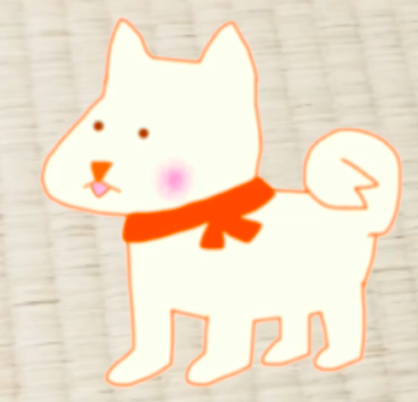
What is 真っ青?
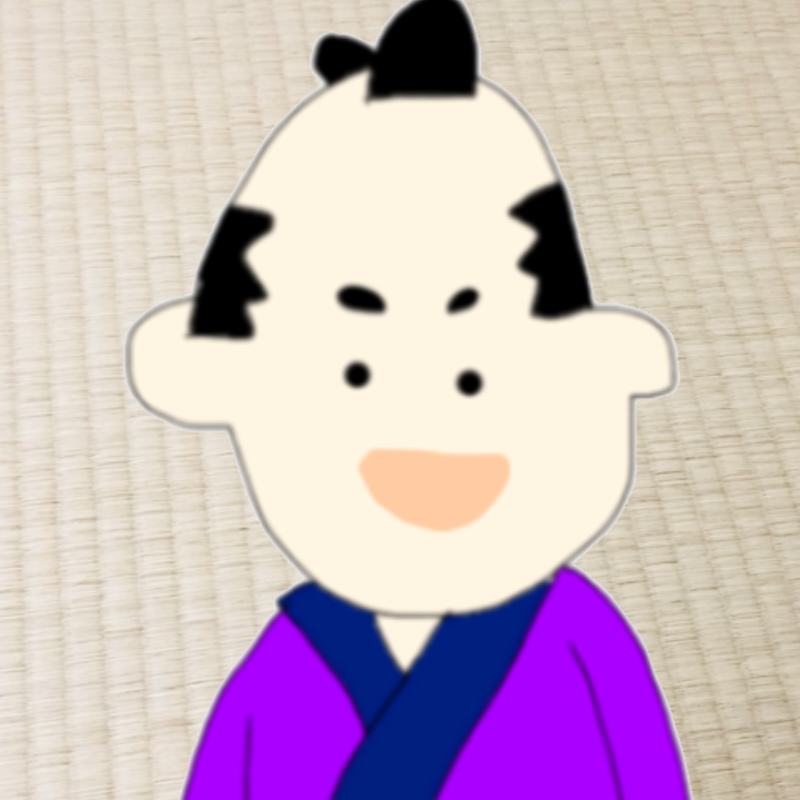
It means ‘bright blue’!
太陽が川を照らし、光り輝く水面の上をツバメが気持ちよさそうに飛んでいるのを、私はぼんやりと眺めながら、ゆっくりと歩いていました。
The sun was shining on the river, and I was walking slowly, gazing vaguely at the swallows flying comfortably over the surface of the shining water.
すると、すぐに後ろから、声がしました。
Then, I heard a voice just behind me.
「今日は暑いですね」
‘It is hot today, isn’t it?’
ふりむくと、白髪にしっかりと背広を着こみ、重そうな荷物を二つ抱えたおじいさんが立っていました。
When I turned around, I saw an old man with white hair, wearing a suit neatly, carrying two heavy-looking bags.
「えぇ、暑いですね」
“Yeah, it’s hot.”
答えながら、私は周りを見渡しました。
周りには誰もおらず、おじいさんは、どうやら一人で来られたようです。
As I answered, I looked around.
There was no one around, and the old man seemed to have come alone.
そして、おじいさんは私にこう言いました。
「まだかかりますか」
He said to me,
“Does it still take time until arriving the shrine?”
かかる=take time
見ると、おじいさんの額には汗が浮かび、しっかりと着込んだ背広には汗が広がっていました。
He was sweating on his forehead, and his well-dressed suit was stained with it, everywhere.
「まだこれからですから、かなりかかりますよ」
“It’s still a long way off, so it will take quite a while.”
おじいさんは、苦しそうに肩で息をして、疲れ切っているようにみえました。
An old man looked exhausted, breathing hard on his shoulder.
ふと見ると、おじいさんは重そうなカバンを大事そうに抱えています。
When I looked, I saw that he was holding a heavy-looking bag as if it was something very special.
「その荷物、持ちましょうか」
と私が尋ねると、おじいさんは首を振り、
「これは大丈夫です」としっかりした口ぶりで答えました。
“Would you like me to carry that bag?”
I asked, and the old man shook his head and said firmly,
“No thanks, this is fine.”
そのかばんはとても重そうでしたが、おじいさんはカバンの中身を守るようにそれを抱えていました。
The bag looked so heavy, but he was holding it as if he was protecting the contents of it.
そしてーand then …
気づくと、私はおじいさんを乗せた車いすを押して、ゆっくりと神社の境内を歩いていました。
Before I knew it, I was slowly walking inside of Jingu, pushing the wheelchair he was sitting on.
私たちは一緒に伊勢神宮へお参りすることにしたのでした。
We decided to visit Ise Jingu together.
車いすに座りながらも、おじいさんはあのカバンを両手にしっかりと大事そうに握りしめていました。
He held that bag tightly in his both hands, even when he was sitting in his wheelchair.
中身は何だろう、と不思議に思っていた私が、その答えを知ったのは、神宮までたどり着いたときでした。
I wondered what was inside.. I learned the answer only when I reached the shrine.
お参りの際に、おじいさんはそのかばんから大事そうに何かを出しました。
During the visit, the old man took something out of the bag with great care.
それは、おじいさんの奥様の遺影でした。
It was the portrait of his wife.
What is 遺影?
It means like, ‘portrait of deceased person’.
おじいさんは奥様と一緒にお参りをしたかったのだそうです。
Apparently he wanted to visit Ise Jingu with his deceased wife.
奥様の遺影と手を合わせたおじいさんは、とても満足そうに見えました。
He prayed holding a picture of his wife- he looked very satisfied.
でも、それだけではなかったのです。
But that wasn’t all.
帰り道、おじいさんは、「事務所に寄りたい」と言い出しました。
On the way back, he started to say, “I want to stop by the office of the shrine.”
そこで私は、神社の方がいらっしゃる場所まで、車いすを押していきました。
So I pushed his wheelchair to the place where a man serving the shrine was there.
「いらっしゃる」is very polite form of ‘to be’
到着すると、おじいさんは立ち上がり、あのカバンから、少し汚れた何かを取り出しました。
Upon arrival, the old man stood up and took out something, which was slightly dirty, from the bag he was always caring.
何だろうと思ってみていると、それはー お金でした。それも、かなりの量のお金です。
I was wondering what it was, and I realized – it was money.
And there was a fair amount of it.
おじいさんはその大金をその方に差し出し、一言、
「寄付したい」と言いました。
He presented that large amount of money to the man serving at the shrine, and said,
“I want to donate this.”
あまりの大金に、神社の方も呆気にとられていましたが、おじいさんはその方にお金を手渡すと、何も言わずにその場を離れようとしました。
The man at the shrine couldn’t say a word, as it was such a large amount of money for donation.. but the old man handed the money to him and then, he left without saying anything.
「あっけにとられる」expresses when someone’s very surprised, stunnded, etc.
神社の方は、あわてておじいさんを引き止め、「せめてお名前だけでも教えてください」と言いました。
The man serving the shrine stopped him in a hurry and said, “Please wait, please, at least tell me your name.”
おじいさんは、尋ねられた通り、名前を書き、寄付の手続きを終えました。
An old man wrote his name down as he asked, and completed the donation process.
神社の方は深く頭を下げ、感謝の言葉を口にされていました。
The men from the shrine bowed deeply, expressed their gratitude.
そして、それから、おじいさんはぽつぽつ、私に話をしてくれました。
And then he started talking to me, slowly.
おじいさんは、今、96歳。
若いころ、戦争に行くことに決まったとき、おじいさんのお母さんが3つの神社へお参りし、おじいさんの無事を祈ってくれたそうです。
He is now 96 years old.
When he was young, when he was going to war, his mother visited three shrines and prayed for his safety.
そして、その三つの神社のうちの一つが、ここ、伊勢神宮だったそうです。
And one of the three shrines was Ise Jingu Shrine.
おじいさんは、「その三つの神社のおかげで、自分は守られたのだ」と。
「そのおかげで、無事に帰ってくることができ、この年まで生きてこられた」と。
He said that he was protected by those three shrines and he was able to come back safely and live until this year.
ですから、ずっと、いつか3つの神社へお参りをし、感謝を伝えに行くと決めていたそうです。
So he had been always determined that one day he would visit three shrines and express his gratitude.
その恩返しの日に立ち会えたことを知った私は、感動して胸がいっぱいになりました。
When I learned that I was able to witness such a special day, I was moved and filled with joy.
There’s no exact English word for 「恩返し」。It could be like ‘repayment of kindness’, but.. it contains more meanings!
こんなに暑い日に、遠路はるばる、たった一人で伊勢神宮を訪れ、大金を寄付し、ただただ感謝を述べて帰っていく…。
On such a hot day, he came all the way by himself, donated a lot of money and just expressed his gratitude with his wife to the god, and going back home alone…
もちろん、お金の額ではありません。でも、あれだけのお金を稼ぐのに、おじいさんはどれだけの苦労をされてきたことでしょうか。
Of course, it is not about how much money he donated. But how much did he work, to make that much money?
そのあと、車いすを押した私に、おじいさんは何度もお礼を言ってくれ、私たちは住所を交換しました。
After that, he thanked me many times for helping him, and we exchanged our addresses.
のちに、すごくきれいな字で、おじいさんから感謝の手紙が届きました。
Later, I received a beautifully-written letter from him.
その手紙には、お礼の言葉と、あと2つの神社にもお参りに行けた旨が記されていました。
In that letter, he said that he was able to visit two more shrines he was talking about. And he thanked me again.
私はまたとても感動し、胸がいっぱいになりました。
Again, I was very touched and my heart was filled.
もうあれから何年も経ちましたが、あのおじいさんは今どうしているだろう、と、時々思い返しては、なぜだか泣きそうになります。
Many years have passed since then, but sometimes I still think about him and how he is doing now -and for some reason I feel like crying.
きっと、おじいさんはすべてやりつくしたのでしょう。
あのおじいさんの姿が忘れられません。
I’m sure he did everything he wanted.
I can’t forget that old man.
おしまい <The end>
I hope he’s still doing okay..
How did you like the story? Please let me know in comments on youtube if you like.
Thank you!
おやすみなさい🌙

